


How to eliminate PMS naturally

by minx life
We've all had the dreaded PMS where we experience bloating, weight gain, anxiety,cramps, insomnia, hot flashes and depression at some point in our lives .
It has essentially become one big societal joke. Isn't it hilarious that ladies can't seem to control their cravings for chocolate? Isn't scary how moody and downright depressed they can seem for several days of the month.
Aside from these assumptions being flippant and dismissive, they're problematic because they reinforce the notion that all of this is normal. The images we see in the media and the statements we hear all around us would have us believe that cravings, cramps, and out of control emotions are inherent, inevitable parts of womanhood.
We are here to tell you: It's just not true.
What do I do about it?
Forget the pills and the potions. They are not effective enough to combat what is going on in your system when your diet has left your hormones off- balance. Further proof that there is no magic bullet: Many Women who take birth control pills still struggle with PMS, even though they are on the supposed cure all of synthetic hormones.
You can only truly take care of your PMS symptoms by adjusting your diet. Changing up some of what you eat and drink during this time will help rebalance your hormones and make the monthly transition smooth, easy, and maybe even symptomless. Most importantly, eating these things not only helps alleviate symptoms in the short term, but over time, these foods can put an end to your PMS permanently!
Best foods to eat
Kale- A powerful hormone balancer which helps to eliminate excess estrogen and prevent estrogen dominance.
Sweet Potatoes- Say goodbye to sugar cravings and get a healthy dose of Vitamin A, an important nutrient that helps your liver break down excess estrogen, balances your mood, and keeps blood sugar stable.
Chickpeas- These delicious, versatile little beans are high in vitamin B6, which is an important player in progesterone production. Not only will low progesterone induce stress and period problems, but low B6 can exacerbate estrogen dominance. Regularly eating chickpeas can remedy those problems.
Bone Broth- Not only is it the hottest trend but bone broth is chock full of magnesium and calcium, two electrolytes that help prevent the headaches and migraines that often accompany PMS.
Coconut Yogurt- Skip the ice cream aisle and try a probiotic-rich coconut alternative that's full of live cultures and healthy fats- it will help stabilize your mood and combat cravings.
Remember: Once you have the right information about how your body really works, you can start making healthy choices that finally start to work for you. You can do this- the science of your body is on your side!
The 10 best foods for a flat belly

Bathing suit season is right around the corner and most of us are trying to figure out the quickest way to get in shape. Have you ever heard the quote "Abs are made in the Kitchen"? Well, this happens to be true! Here are some healthy foods that will help you attain a flat belly without spending hours in the Gym doing sit ups and planks:-)
Yogurt
Yogurt is great for your Gut: It contains beneficial probiotics, which help balance microflora and prevent bloating. Eating yogurt may also increase feelings of fullness, thanks to the 17 grams of protein per serving(that's almost three times as much as in an egg!). If you're lactose intolerant Goat Kefir may be a better choice.
Try adding it to your morning smoothie, use it in your favorite dip recipe, or enjoy with berries for an afternoon snack.

Lentils
As a member of the super-nutritious pulse family, lentils-along with other seeds that grow within pods like chickpeas, white beans, and dried peas-are packed with protein and fiber, which increase satiety. They're also a good source of iron; this is important because studies have shown that being deficient in the mineral could slow down your metabolism.
Add lentils to salads or use in place of whole grains like brown rice. They also make a great bed for a serving of lean protein, along with a generous portion of veggies.

Bananas
Craving an afternoon snack? A banana may be your best best. In addition to potassium, bananas are packed with resistant starch, a healthy carbohydrate that your body digests slowly, which keeps you full for longer. Resistant starch also encourages your liver to switch to fat-burning mode, giving your metabolism a boost.
Even more good news for your abs: Bananas may help prevent water retention in our bodies by regulating sodium levels, decreasing the risk for bloating.

Asparagus
You already know that asparagus is full of antioxidants and may even act as an aphrodisiac. But did you know it can promote a slim stomach? This super-healthy spring veggie is a good source of both soluble and insoluble fiber, which your body digests slowly-keeping you full for longer in between meals. And as a natural diuretic, asparagus facilitates the removal of water and waste to decrease discomfort and bloat.
It also contains probiotics, which act as fuel for healthy bacteria in your gut.
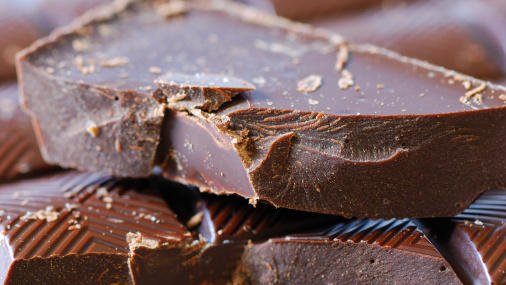
Dark Chocolate
If you have a sweet tooth, take heart: Not all chocolate is off limits. Good quality dark chocolate (anything above 70% cacao) is actually very good for you. Like avocados, dark chocolate contains healthy monounsaturated fatty acids, which may help speed up metabolism. One study from the University of California, San Diego found that adults who ate chocolate more frequently had lower BMIs than those who didn't eat much chocolate.
Just watch your portions: To indulge while keeping calories in check, we recommend having a piece the size of a dental floss container.

Cucumbers
Thanks to the flavonoid antioxidant quercetin (which reduces swelling) and a high water content of 96%, cucumbers can definitely help prevent bloating. This crunchy veggie is also extremely versatile: eat it in a chopped salad, sprinkle on top of yogurt, or munch on cucumber slices with homemade hummus.
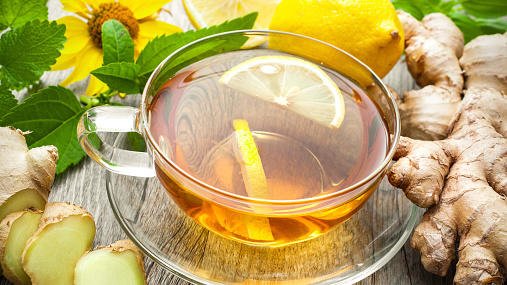
Ginger
If you've ever sipped on a glass of ginger ale while sick, you know the drink can do wonders to calm an upset stomach. Turns out the root is also good for keeping your belly slim. Thanks to compounds that help move food through your GI tract, it has been used for centuries as a natural remedy to treat bloating. Ginger may also help with weight management: In a 2012 study from Columbia University, researchers found that participants who drank a hot ginger beverage felt fuller after meals.
An easy way to include it in your diet is to make a ginger tea with a half teaspoon of ground or freshly grated ginger and one cup of hot water.

Almonds
For a guilt- free snack, reach for a handful of almonds. As with dark chocolate and avocados, the nut contains monounsaturated fatty acids, which may help your body burn fat and fight hunger. One recent study in the International Journal of Obesity found that when people had a serving of almonds as part of a low-calorie diet, they lost more weight than those who ate a similar diet but had a carb-heavy snack instead of almonds.

Avocado
Go ahead, put avocado on your toast, your belly will thank you! The super fruit (yes, it technically is a fruit) contains 2 grams of filling fiber and 4 grams of heart-healthy monounsaturated fat, which can help keep the pounds off. In one recent study, researchers found that people who regularly ate avocados had smaller waistlines than those who didn't.
And in addition to keeping your stomach slim, avocados may benefit the gut, too. Healthy fats like avocados are vital to gut health, as they coat the stomach and allow for ease of digestion. They also help the body increase its absorption of other nutrients and antioxidants.

Papaya
There are lots of reasons to love this brightly colored tropical fruit, which is a rich source of vitamins A, C, E, and folate. Papayas also contain an enzyme called papain, which helps your GI system break down difficult-to-digest foods, in turn preventing inflammation and belly bloat.
In addition to eating papaya whole and fresh, it's wonderful in a smoothie, in salads, or thrown on the grill with a drop of olive oil.
These 10 foods will help keep your waistline slim by reducing bloat, boosting metabolism, and giving your body important nutrients that encourage weight loss. In addition to drinking enough water and avoiding notorious belly-busters (think alcohol, soda and sugar), you should be bikini ready!
The Best Foods to fight inflammation
Whether it's aches and pains, stiffness, headaches, indigestion, stomachaches, yeast imbalances, low energy, weight gain, or free radical damage, it often goes back to two things, acidity and inflammation.
To understand how acidity plays a role in producing bodily inflammation, you first have to understand pH, or the measure of a solution's acidity or alkalinity from 0 to 14, 0 being the most acidic, and 14 being the most alkaline. Our bodies need a very specific pH balance to function and maintain homeostasis. Even slight changes to the pH balance of our blood, for instance, can be extremely problematic.
Our grocery stores and diets are overrun with highly acidic foods, Caffeine, alcohol, processed foods, sugars, refined flours, pasteurized dairy, animal protein are all highly acidic forming in the body, and if you are eating those on a regular basis, chances are you may experience at least some sort of chronic symptom of inflammation. Even natural processes of the body produce acidic byproducts. Stress also contributes greatly to an acidic environment.
So what can we do? How do we reverse the effects of these highly acidic foods and actions? Just as food plays a role in producing an acidic environment, it can be transformative and healing to the body, reducing inflammation and creating an environment that supports health.
The goal should be to consume 80 percent alkaline foods and 20 percent acidic foods. Not all acidic foods are unhealthy necessarily; however, extremely acidic foods like those stated above should be greatly minimized. Fresh fruits and vegetables that have been seasoned and cooked should be the focus of your diet.
Below is a list of some of the most anti-inflammatory foods you should be adding to your diet daily to restore alkalinity and relieve inflammation. Fight inflammation in the kitchen, not the Pharmacy, with:
Green leafy vegetables
Turmeric
Fish Oils(Salmon and Sardines)
Berries
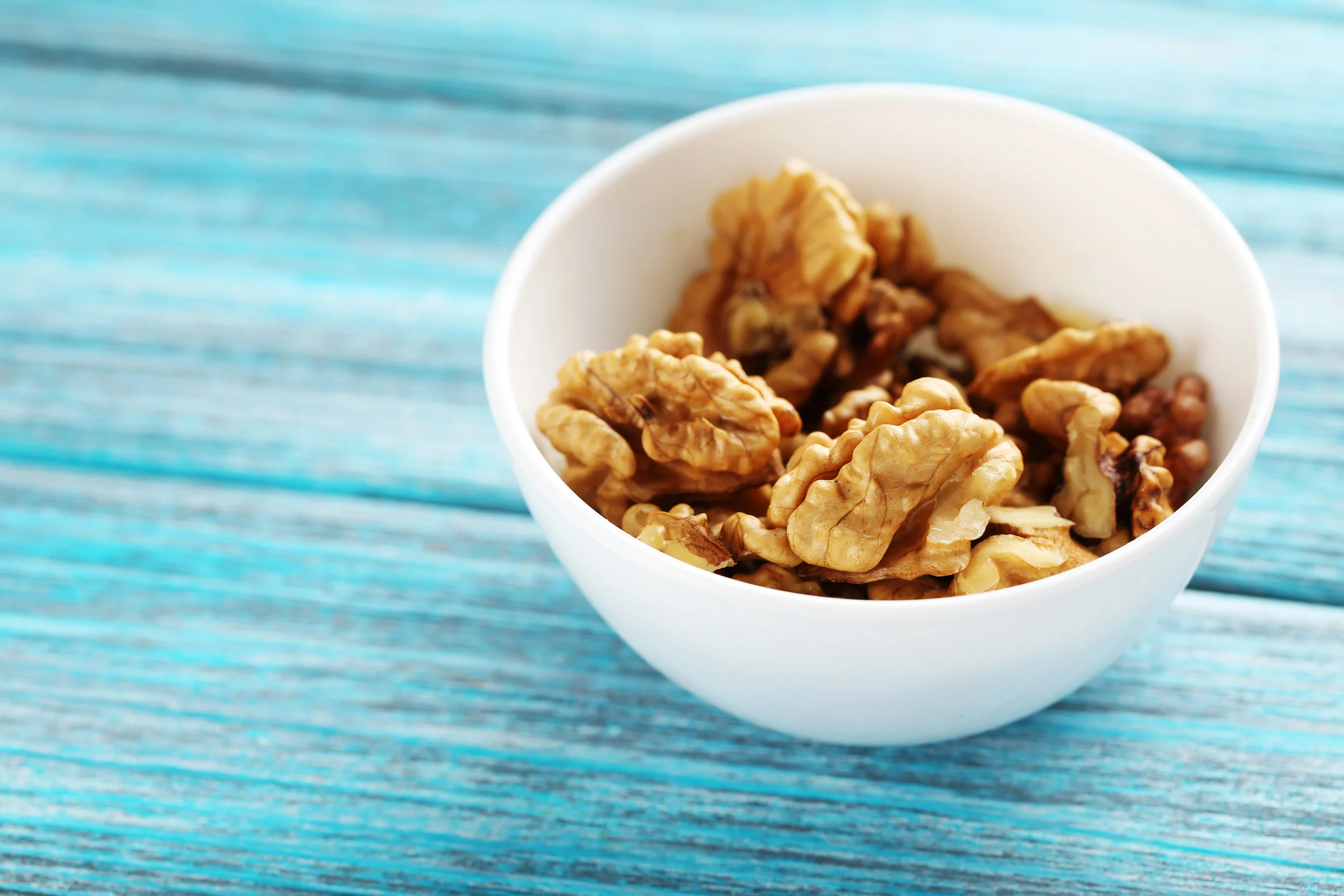
Walnuts
Bone broth
Coconut oil
Avocados
Olive Oil
Ginger
Dark Chocolate 70 percent and higher
Beets
Broccoli