rheumatoid arthritis

Vitamin C for glowy skin and beautiful hair

IMG_9023.jpg

You may already know about all the amazing things vitamin C can do for your system. It helps to promote healthy bones and teeth, it boosts overall immunity, and it has even been shown to help lower blood pressure. But did you know how many amazing things it can do for the way you look? 

Here are 10 ways that vitamin C helps benefit your skin and hair health.

Collagen Boost

Collagen is the main structural protein found in your skin and connective tissue. In fact, 70% of all protein found in your skin is collagen. It's responsible for the elasticity of your skin, and keeps everything looking young and fresh.

How do we get collagen? By taking in Vitamin C! Your body needs vitamin C to produce collagen, and you need collagen for healthy skin.

Increased Sun Protection

Vitamin C is an antioxidant , which your body uses to fight off harmful free radicals. Many of these are produced when ultraviolet radiation from the sun comes into contact with your body, and a lack of vitamin C can leave you with a reduced ability to fight them off naturally.

Now, don't go skipping your sunscreen, but studies do show that people who get enough vitamin C have less overall sun damage to their skin.

Improved Texture

As well as being integral to skin structure, collagen is also important for the structure of your blood vessels-and it all comes down to vitamin C. Efficient blood flow to your skin's surface can prevent a rough texture and appearance. In fact, creams containing vitamin C are marketed specifically to help smooth out rough skin.

Less Discoloration

Vitamin C can help prevent the DNA in your skin from reacting with sunlight and causing discoloration or even precancerous cells.

Faster Wound Healing

Your body uses vitamin C to help heal injuries to your skin. Collagen helps not only to close wounds, but also to create scar tissue that helps protect the site. Slow wound healing can be a sign of vitamin c deficiency.

Faster Hair Growth

Free radicals can damage your hair making it brittle and more prone to split ends. As mentioned above, the antioxidant properties of vitamin c help to reduce free radicals, and will protect your hair as well as your skin. Your hair will be stronger and grow quicker.

Fewer Grays

Vitamin C has been shown to help hair retain its natural color for longer, meaning fewer grays.

Prevents Hair Loss

An underperforming adrenal gland can lead to hair loss, and one of the main ways to help fight adrenal gland fatigue is by supplementing with vitamin c. This can help reverse the hormonal processes that cause hair loss.

Protects Against Dandruff

You may have germs living on your scalp that encourage the skin problems that lead to dandruff. Vitamin c helps to fight these germs off.

Thicker, Healthier Hair

Taken altogether, the increased blood flow, the decrease in bacteria, and the antioxidants all work in combination to help you grow thicker, healthier hair.

So be sure to eat your citrus and your dark greens. The best way to get vitamin C is through a healthy diet.

The Benefits Of Soaking Nuts Before Eating Them


IMG_9949.JPG
 

Nuts are rich in unsaturated fats, heart-healthy omega 3 fatty acids, fiber and a slew of vitamins and minerals. Which is why they come highly recommended as an addition to a balanced diet. Turns out, soaking nuts can enhance their benefits for you. The phytic acid and tannins in the skin make nuts harder to digest and inhibit the absorption of nutrients in your food. Soaking and removing the peel can do away with these. Plus, they're less likely to irritate a sensitive stomach and are cleaner as well this way!

They are a nutrient -dense snack and perfect for when the munchies strike! Satisfying but not sinful, they come highly recommended by the American Heart Association as part of a healthy diet. Although it's easiest to have these crunchy nuggets straight from the bag, have you wondered if you should be soaking or peeling certain nuts first? In some parts of the world like Asia, almonds, for instance, are soaked overnight and peeled the next morning before consuming. So is there some science behind this ritual and should you consider soaking nuts before having them?


What Happens When You Soak Nuts

When you soak nuts, it becomes easier to peel off their skin. That's not all, though. There are also certain changes to the nut itself when you soak it. While some nutrients are lost along with the skin, you may find that positive effects of soaking more than make up on other fronts.

  • Washes away dust and other contamination

  • Removes tannins and inhibit digestion

  • Lowers physic acid content

  • Break down and soften to digest easily

  • Easy to peel away the skin

Bottom line, if you are looking to improve overall gut health, give soaking a try!

PAPAYA FOR GOOD DIGESTION

charles-deluvio-538051-unsplash.jpg

by minx life

While eating fruit with a meal is never recommended as it can have a negative effect on your digestion, papaya is one of the few exceptions.

Papaya fruit is a rich source of valuable proteolytic enzymes, such as papain, chymopapain, caricain and glycl endopeptidase, that can greatly aid in the digestive process. This is especially true of of meals that contain meat or other concentrated forms of protein.

But, as this page will show, papaya enzyme can have many other health benefits and may have an even more important role to play when taken on an empty stomach.

Many of us eat large amounts of low quality meat each week that can put great strain on our digestive system and enzyme producing pancreas. Processed meats, with additives such as the potentially carcinogenic sodium nitrite, are particularly worrying from a health perspective.

To make matters worse, rushed meals, extra large serving sizes, low digestive enzymes and stomach acid production, and poorly functioning digestive systems in general all contribute to this meat often ending up only partially digested by the time it reaches the lower intestines.

Here it can putrefy as it is acted upon by masses of flatulence causing bacteria. But smelly gas is the least of the potential health problems caused by undigested protein in the colon.

The place to fix flatulence and other more serious health issues associated with poor digestion, such as constipation, leaky gut syndrome and IBS, is not at the end of the process,  but at the beginning.

Proper chewing is important to break up food and can significantly assist carbohydrate digestion, but to get a head start on protein, proteolytic enzymes like the papain enzyme in papaya can really help. It's also a good idea to avoid certain foods for awhile, such as, meat, fried and fatty foods, eggs, refined sugars, dairy, caffeine, alcohol and processed foods. 

Papaya Enzyme on an Empty Stomach

While papaya enzymes are most often taken with food, another strategy that is gaining popularity is to take green papaya enzyme powder blended up in a smoothie or with water on an empty stomach.

Under these circumstances little hydrochloric acid would be produced and the papain and other enzymes could pass into the small intestines in larger amounts. From here they can be absorbed into your bloodstream where they exert an anti-inflammatory effect throughout the body .

Proteolytic enyzmes circulating in the blood are known to reduce inflammation in your body, most likely by scavenging damaged and oxidized proteins and breaking them down.

These damaged proteins are implicated in a variety of debilitating autoimmune disorders such as severe allergies, chronic fatigue syndrome and a weakened immune system that is much more vulnerable to infections and disease. 

If you are looking for better digestion and an improved immune system give papaya a try!

How to eliminate PMS naturally

Stuffed-Sweet-Potatoes-Asparagus-Chickpeas-3.jpg

by minx life 

We've all had the dreaded PMS where we experience bloating, weight gain, anxiety,cramps, insomnia, hot flashes and depression at some point in our lives .

It has essentially become one big societal joke. Isn't it hilarious that ladies can't seem to control their cravings for chocolate? Isn't scary how moody and downright depressed they can seem for several days of the month.  

Aside from these assumptions being flippant and dismissive, they're problematic because they reinforce the notion that all of this is normal. The images we see in the media and the statements we hear all around us would have us believe that cravings, cramps, and out of control emotions are inherent, inevitable parts of womanhood.

We are here to tell you: It's just not true.

What do I do about it?

Forget the pills and the potions. They are not effective enough to combat what is going on in your system when your diet has left your hormones off- balance.  Further proof that there is no magic bullet: Many Women who take birth control pills still struggle with PMS, even though they are on the supposed cure all of synthetic hormones.

You can only truly take care of your PMS symptoms by adjusting your diet. Changing up some of what you eat and drink during this time will help rebalance your hormones and make the monthly transition smooth, easy, and maybe even symptomless. Most importantly, eating these things not only helps alleviate symptoms in the short term, but over time, these foods can put an end to your PMS permanently!

Best foods to eat 

Kale- A powerful hormone balancer which helps to eliminate excess estrogen and prevent estrogen dominance.

Sweet Potatoes- Say goodbye to sugar cravings and get a healthy dose of Vitamin A, an important nutrient that helps your liver break down excess estrogen, balances your mood, and keeps blood sugar stable.

Chickpeas- These delicious, versatile little beans are high in vitamin B6, which is an important player in progesterone production. Not only will low progesterone induce stress and period problems, but low B6 can exacerbate estrogen dominance. Regularly eating chickpeas can remedy those problems.

Bone Broth- Not only is it the hottest trend but bone broth is chock full of magnesium and calcium, two electrolytes that help prevent the headaches and migraines that often accompany PMS.

Coconut Yogurt- Skip the ice cream aisle and try a probiotic-rich coconut alternative that's full of live cultures and healthy fats- it will help stabilize your mood and combat cravings.

Remember: Once you have the right information about how your body really works, you can start making healthy choices that finally start to work for you. You can do this- the science of your body is on your side!


What are the best antioxidants for your skin?

shutterstock_535446079.jpg


From red wine, berries, green tea and pomegranates, the variety of antioxidants that can be eaten,drunk or extracted and used in skincare is mind boggling. They are good for health and for skin because they help protect against free radicals, which, in a famous example, do the same thing to us that they do to a sliced apple. They oxidize it, turning it brown, and sending it quickly to..its eventual disintegration, otherwise known as ripe old age.

The sliced apple example has always resonated with people, but for some reason, until now, nobody was like, so what is it that keeps an apple from turning brown? Apple peels! Apple peels not only keep apples from turning brown, they keep them fresh and young looking for longer than practically any other fruit.

The research on whole apple peels' antioxidant power shows it's full of phenolic compounds, potent antioxidants, polyphenols, and more, all of which help to fight free radicals and keep us healthy.

Bottom line.. Eat apples for radiant skin!

The Best Foods to fight inflammation

shutterstock_403859227.jpg

Whether it's aches and pains, stiffness, headaches, indigestion, stomachaches, yeast imbalances, low energy, weight gain, or free radical damage, it often goes back to two things, acidity and inflammation.

To understand how acidity plays a role in producing bodily inflammation, you first have to understand pH, or the measure of a solution's acidity or alkalinity from 0 to 14, 0 being the most acidic, and 14 being the most alkaline. Our bodies need a very specific pH balance to function and maintain homeostasis. Even slight changes to the pH balance of our blood, for instance, can be extremely problematic.

Our grocery stores and diets are overrun with highly acidic foods, Caffeine, alcohol, processed foods, sugars, refined flours, pasteurized dairy, animal protein are all highly acidic forming in the body, and if you are eating those on a regular basis, chances are you may experience at least some sort of chronic symptom of inflammation. Even natural processes of the body produce acidic byproducts. Stress also contributes greatly to an acidic environment.

So what can we do? How do we reverse the effects of these highly acidic foods and actions? Just as food plays a role in producing an acidic environment, it can be transformative and healing to the body, reducing inflammation and creating an environment that supports health.

The goal should be to consume 80 percent alkaline foods and 20 percent acidic foods. Not all acidic foods are unhealthy necessarily; however, extremely acidic foods like those stated above should be greatly minimized. Fresh fruits and vegetables that have been seasoned and cooked should be the focus of your diet.

Below is a list of some of the most anti-inflammatory foods you should be adding to your diet daily to restore alkalinity and relieve inflammation. Fight inflammation in the kitchen, not the Pharmacy, with:

  • Green leafy vegetables

  • Turmeric

  • Fish Oils(Salmon and Sardines)

  • Berries

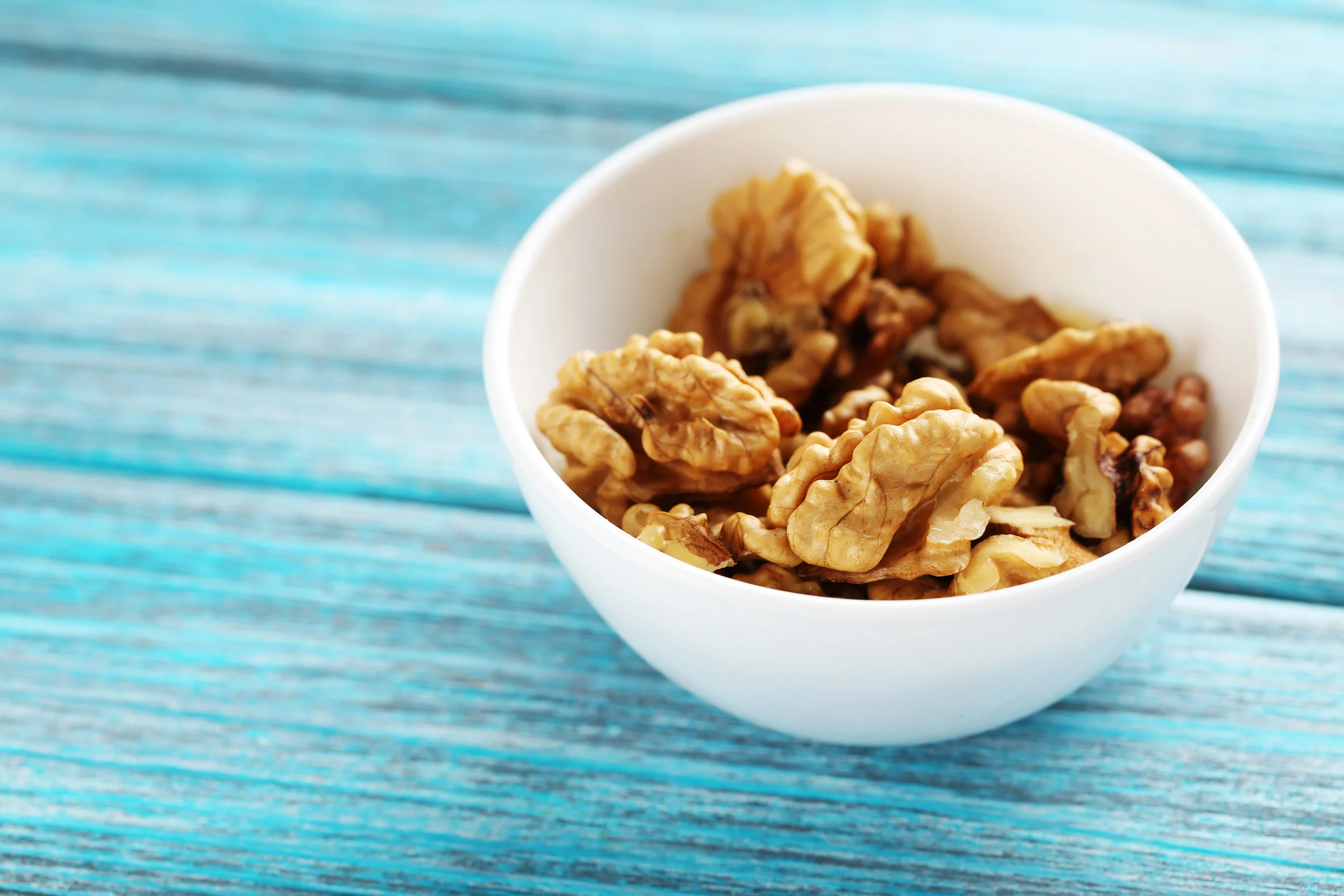
  • Walnuts

  • Bone broth

  • Coconut oil

  • Avocados

  • Olive Oil

  • Ginger

  • Dark Chocolate 70 percent and higher

  • Beets

  • Broccoli

Remember 80/20... That is the rule to being healthy but you can still enjoy a couple of Margaritas with chips and Guacamole every now and then:-)

Benefits of Rebounding

by Minx life

by Minx life

Rebounding is an exercise I do daily for my immune system and circulation. If you aren’t familiar with it, rebounding is basically jumping on a mini trampoline either in gentle bounces where your feet don’t leave the trampoline or in complete jumps where you rise 6 inches from the surface.

Many types of exercise are done to target specific muscles or just to increase cardiovascular function. Rebounding is unique since it uses the forces of acceleration and deceleration and can work on every cell in the body in a unique way.

When you bounce on a rebounder (mini-trampoline), several actions happen:

  • An acceleration action as you bounce upward

  • A split second weightless pause at the top

  • A deceleration at an increased G-force

  • Impact to the Rebounder

  • Repeat


Here are the benefits:

  • Boosts lymphatic drainage and immune function

  • Great for skeletal system and increasing bone mass

  • Helps improve digestion

  • Helps to improve cellulite

  • More than twice as effective as running without the extra stress on the ankles and knees

  • Helps improve balance by stimulating the vestibule in the middle ear

  • Helps to aid in weight loss

  • Rebounding helps circulate oxygen through the body to increase energy

  • Rebounding is fun!

Personally, I jump on the rebounder for 15 minutes and then dry brush my skin(both are good for avoiding cellulite). I also jump on it a few times a day when I remember, especially if I’ve been sitting at my computer all day. It’s very compact so I keep it in my bedroom so it’s accessible.

There are a lot of models on the Market so look for good quality springs that will help reduce the impact on your joints.


6 Liver Friendly Foods to eat

The liver is an incredible multitasker. You can think of this vital organ as a filter system. It helps your body get rid of toxins while also harvesting nutrients from the foods you eat.

When it comes to liver health, not all foods are created equal. This is especially true if you have a condition like cirrhosis or hepatitis C, which can make make it difficult for your liver to filter nutrients and waste as it should.

Eating liver-friendly foods like the ones below can help lessen the damage caused by liver disease.

  1. Avocados

Avocados are staples in many cuisines. They’re technically a part of the berry family and offer many health benefits, including improved liver health.

Research from 2015 took a look at the role of certain foods in people with nonalcoholic fatty liver disease(NAFLD). The researchers report that avocado may help lower blood lipids, or fats, and help prevent liver damage.

What is known is that people who eat avocados are more likely to have a lower body mass index(BMI) and waist circumference. According to a 2013 study they may also have higher levels of HDL(good) cholesterol.

It’s a thought that some of these effects are related to the high fiber, healthy fats, and water content of avocados. A 2014 study in rats suggests that avocado oil may help the liver heal from damage. And eating fiber-rich foods is a good way to support health.

2. Coffee

Your daily cup of coffee may play an even more critical role to your health than you thought.

When it comes to your liver health, some studies suggest that coffee reduces the risk of cirrhosis, cancer, and fibrosis in the liver. Regular, moderate amounts may even help slow the course of current liver diseases.

Research from 2021 indicates that drinking coffee could reduce your risk of developing liver disease or fatty liver disease by around 20 percent.

In the same study, drinking coffee lowered the risk of death from liver disease by 49 percent. All types of coffee-decaf, instant, and ground- had similar effects.

The key to such benefits is to drink coffee daily. For overall health, it’s best to avoid adding sugars and artificial creamers. Instead, try swapping in dairy milk, unsweetened soy milk, almond milk, cinnamon or cocoa powder.

3. Oily Fish

Fish may also provide some underlying benefits to your liver health, especially oily types of fish.

Oily fish such such as salmon can help reduce inflammation and fat buildup in the liver while also promoting a lower overall BMI, according to research from 2015. Oily fish is also high in omega-3 fatty acids, which are good for heart and brain health.

The authors of this review found oily fish was beneficial in reducing blood lipids when consumed two or more times per week. If you can’t eat fish, fish oil supplements may be an option to consider.

People who used fish oil supplements also appeared to reduce their risk of liver cancer by as much as 40 to 52 percent, depending on cancer type.

4. Olive oil

When consumed over a long period of time, olive oil has been found to improve heart health. A large 2020 study suggests that eating more than a half of a tablespoon of olive oil every day could lower your risk of cardiovascular disease by 14 percent.

A number of small studies suggest that olive oil can help reduce liver enzymes and liver fat that contribute to disease. Olive oil may also increase the amount of HDL(good) cholesterol in the blood, which could have benefits for your liver.

Olive oil is high in calories, so you may want to use in moderation. You can sprinkle olive oil on salads in lieu of fatty dressings, sauté vegetables with it, or roast root vegetables in the oven with a drizzle of the oil. If you’re trying to reduce your calorie intake, olive oil can also make your meals more filling so that you’ll eat fewer calories.

5. Walnuts

Nuts, when consumed in small amounts, are nutrient-dense snacks that are also high in healthy fats. Aside from boosting cardiovascular health, nuts may also help reduce the incidence of liver disease.

Of all types, walnuts are amongst the most beneficial for reducing fatty liver disease. This is thanks to their higher antioxidant and fatty acid content. Walnuts have the most omega-6 and omega-3 fatty acids, as well as polyphenol antioxidants.

People who ate walnuts at least 5 or 6 times a week had significantly greater liver fat loss than those who ate walnuts less often. This fat loss was associated with overall ant-inflammatory and metabolic health benefits. To get these potential benefits, try sprinkling walnuts on top of salads, oatmeal and yogurt.

6. Complex carbohydrates

While your entire diet shouldn’t consist of carbohydrates, you do want to eat a balance of carbs, protein and healthy fats.

Complex carbohydrates are better than simple carbs because they’re metabolized slower and prevent wide fluctuations in blood sugar. This is why it’s best for people with NAFLD to choose complex carbs over simple cabs, as the National Institute of Diabetes and Digestive and Kidney Diseases advises.

Nonrefined carbs also have essential nutrients like zinc, B vitamins, and higher fiber levels, which are all important for a healthy liver and metabolism. The key is selecting whole grains, such as:

  • wild rice

  • whole wheat bread and pasta

  • brown rice

  • whole oats

  • rye

  • corn

  • bulgur

Takeaway

As a general rule, whole foods are best for your liver and the rest of your body. Certain liver conditions may require a more specialized diet. In some cases, people with advanced liver disease may not be able to absorb the fats they eat and may have to limit oils and fatty fish.

5 Unexpected Health promoting Benefits of Yoga

by Minx life

by Minx life

From relieving stress to boosting your brain power, here’s how yoga can improve not just your strength but your well-being, too.

For 5,000 years, hardcore yoga practitioners have been touting yoga’s mental and physical powers. Luckily, you don’t have to be an expert to reap the benefits- adding just a few poses to your daily routine can help your health in all kinds of unexpected ways.

On a physical level, yoga helps improve flexibility, strength, balance, and endurance. On an energetic level, yoga teaches you how to cope better with stress by cultivating a sense of ease in both active and passive poses. On a psychological level, yoga helps to cultivate mindfulness by shifting your awareness to the sensations, thoughts, and emotions that accompany a given pose or exercise.

Research continues to unearth even more health-boosting benefits of various types of yoga- and here are 5 of them.

Emotional Health Boost

All exercise has been shown to help people with depression to feel better, and yoga is no exception. Studies suggest that yoga could benefit those living with depression, schizophrenia, other psychiatric conditions, and sleep problems.

Practicing in a group setting, such as a yoga class, stimulates the production of oxytocin, the love and bonding hormone. Practicing mindfulness through yoga and meditation also results in higher serotonin levels(the happiness hormone), and long-term practitioners have shown more mass in the ares of the brain associated with contentment.

Back Pain Treatment

Multiple studies have found yoga to be a more effective treatment for chronic back pain than usual care. In a study published in the Annals of Internal Medicine, people living with chronic lower back pain reported better back function, though similar levels of pain, after a few months pf practicing yoga.

In another study of 80 individuals with chronic lower back pain, the group that participated in just one week of yoga showed less disability and greater flexibility than patients who completed other physical exercises. Even if you don’t have chronic pain, yoga’s stretching exercises can improve your spinal flexibility.

Hangover Relief

After a night of drinking, yoga may be the last thing on your mind, but it’s exactly what you should do.

Yoga is a great way to detox your entire system. It also helps with metabolism. The poses 'shoulder stand’, ‘plow’, and ‘fish’ work on the thyroid gland and improve metabolism, thus getting rid of a hangover faster. Reversing blood flow and bringing more blood to the brain creates balance in the body. It helps you burn fat, and the increased blood flow from yoga might even help blast cellulite away!

Arthritis Fighter

When it comes to the benefits of different types of yoga, a study indicated that iyengar yoga, known for it’s use of props like belts, blocks, and other positioning aids, might help people with rheumatoid arthritis. This pilot study of eight people with RA showed that a six-week yoga program improved pain, pain disability, mental health, depression, vitality, and self efficacy. Other types of yoga might help arthritis symptoms, too. Arthritis loves gentle movement and heat, so styles like bikram or gentle yoga can be very beneficial.

Insomnia Buster

According to a recent study that looked at several complementary and alternative medicine strategies for treating insomnia, yoga was one of the most effective approaches for getting a good night’s sleep.

When experiencing insomnia, practice relaxing asanas or postures, such as forward fold (uttanasana) or lying on your back with your feet up the wall. This will help with circulation as well as calming your body and, most importantly, your mind.

Give it a try!!!