good digestion

Vitamin C for glowy skin and beautiful hair

IMG_9023.jpg

You may already know about all the amazing things vitamin C can do for your system. It helps to promote healthy bones and teeth, it boosts overall immunity, and it has even been shown to help lower blood pressure. But did you know how many amazing things it can do for the way you look? 

Here are 10 ways that vitamin C helps benefit your skin and hair health.

Collagen Boost

Collagen is the main structural protein found in your skin and connective tissue. In fact, 70% of all protein found in your skin is collagen. It's responsible for the elasticity of your skin, and keeps everything looking young and fresh.

How do we get collagen? By taking in Vitamin C! Your body needs vitamin C to produce collagen, and you need collagen for healthy skin.

Increased Sun Protection

Vitamin C is an antioxidant , which your body uses to fight off harmful free radicals. Many of these are produced when ultraviolet radiation from the sun comes into contact with your body, and a lack of vitamin C can leave you with a reduced ability to fight them off naturally.

Now, don't go skipping your sunscreen, but studies do show that people who get enough vitamin C have less overall sun damage to their skin.

Improved Texture

As well as being integral to skin structure, collagen is also important for the structure of your blood vessels-and it all comes down to vitamin C. Efficient blood flow to your skin's surface can prevent a rough texture and appearance. In fact, creams containing vitamin C are marketed specifically to help smooth out rough skin.

Less Discoloration

Vitamin C can help prevent the DNA in your skin from reacting with sunlight and causing discoloration or even precancerous cells.

Faster Wound Healing

Your body uses vitamin C to help heal injuries to your skin. Collagen helps not only to close wounds, but also to create scar tissue that helps protect the site. Slow wound healing can be a sign of vitamin c deficiency.

Faster Hair Growth

Free radicals can damage your hair making it brittle and more prone to split ends. As mentioned above, the antioxidant properties of vitamin c help to reduce free radicals, and will protect your hair as well as your skin. Your hair will be stronger and grow quicker.

Fewer Grays

Vitamin C has been shown to help hair retain its natural color for longer, meaning fewer grays.

Prevents Hair Loss

An underperforming adrenal gland can lead to hair loss, and one of the main ways to help fight adrenal gland fatigue is by supplementing with vitamin c. This can help reverse the hormonal processes that cause hair loss.

Protects Against Dandruff

You may have germs living on your scalp that encourage the skin problems that lead to dandruff. Vitamin c helps to fight these germs off.

Thicker, Healthier Hair

Taken altogether, the increased blood flow, the decrease in bacteria, and the antioxidants all work in combination to help you grow thicker, healthier hair.

So be sure to eat your citrus and your dark greens. The best way to get vitamin C is through a healthy diet.

PAPAYA FOR GOOD DIGESTION

charles-deluvio-538051-unsplash.jpg

by minx life

While eating fruit with a meal is never recommended as it can have a negative effect on your digestion, papaya is one of the few exceptions.

Papaya fruit is a rich source of valuable proteolytic enzymes, such as papain, chymopapain, caricain and glycl endopeptidase, that can greatly aid in the digestive process. This is especially true of of meals that contain meat or other concentrated forms of protein.

But, as this page will show, papaya enzyme can have many other health benefits and may have an even more important role to play when taken on an empty stomach.

Many of us eat large amounts of low quality meat each week that can put great strain on our digestive system and enzyme producing pancreas. Processed meats, with additives such as the potentially carcinogenic sodium nitrite, are particularly worrying from a health perspective.

To make matters worse, rushed meals, extra large serving sizes, low digestive enzymes and stomach acid production, and poorly functioning digestive systems in general all contribute to this meat often ending up only partially digested by the time it reaches the lower intestines.

Here it can putrefy as it is acted upon by masses of flatulence causing bacteria. But smelly gas is the least of the potential health problems caused by undigested protein in the colon.

The place to fix flatulence and other more serious health issues associated with poor digestion, such as constipation, leaky gut syndrome and IBS, is not at the end of the process,  but at the beginning.

Proper chewing is important to break up food and can significantly assist carbohydrate digestion, but to get a head start on protein, proteolytic enzymes like the papain enzyme in papaya can really help. It's also a good idea to avoid certain foods for awhile, such as, meat, fried and fatty foods, eggs, refined sugars, dairy, caffeine, alcohol and processed foods. 

Papaya Enzyme on an Empty Stomach

While papaya enzymes are most often taken with food, another strategy that is gaining popularity is to take green papaya enzyme powder blended up in a smoothie or with water on an empty stomach.

Under these circumstances little hydrochloric acid would be produced and the papain and other enzymes could pass into the small intestines in larger amounts. From here they can be absorbed into your bloodstream where they exert an anti-inflammatory effect throughout the body .

Proteolytic enyzmes circulating in the blood are known to reduce inflammation in your body, most likely by scavenging damaged and oxidized proteins and breaking them down.

These damaged proteins are implicated in a variety of debilitating autoimmune disorders such as severe allergies, chronic fatigue syndrome and a weakened immune system that is much more vulnerable to infections and disease. 

If you are looking for better digestion and an improved immune system give papaya a try!

The 10 best foods for a flat belly

IMG_9078.JPG

Bathing suit season is right around the corner and most of us are trying to figure out the quickest way to get in shape. Have you ever heard the quote "Abs are made in the Kitchen"? Well, this happens to be true! Here are some healthy foods that will help you attain a flat belly without spending hours in the Gym doing sit ups and planks:-)


Yogurt

Yogurt is great for your Gut: It contains beneficial probiotics, which help balance microflora and prevent bloating. Eating yogurt may also increase feelings of fullness, thanks to the 17 grams of protein per serving(that's almost three times as much as in an egg!). If you're lactose intolerant Goat Kefir may be a better choice.

Try adding it to your morning smoothie, use it in your favorite dip recipe, or enjoy with berries for an afternoon snack.


image.jpeg

Lentils

As a member of the super-nutritious pulse family, lentils-along with other seeds that grow within pods like chickpeas, white beans, and dried peas-are packed with protein and fiber, which increase satiety. They're also a good source of iron; this is important because studies have shown that being deficient in the mineral could slow down your metabolism.

Add lentils to salads or use in place of whole grains like brown rice. They also make a great bed for a serving of lean protein, along with a generous portion of veggies.


image.jpeg

Bananas

Craving an afternoon snack? A banana may be your best best. In addition to potassium, bananas are packed with resistant starch, a healthy carbohydrate that your body digests slowly, which keeps you full for longer. Resistant starch also encourages your liver to switch to fat-burning mode, giving your metabolism a boost.

Even more good news for your abs: Bananas may help prevent water retention in our bodies by regulating sodium levels, decreasing the risk for bloating.


christine-siracusa-574215-unsplash.jpg

Asparagus

You already know that asparagus is full of antioxidants and may even act as an aphrodisiac. But did you know it can promote a slim stomach? This super-healthy spring veggie is a good source of both soluble and insoluble fiber, which your body digests slowly-keeping you full for longer in between meals. And as a natural diuretic, asparagus facilitates the removal of water and waste to decrease discomfort and bloat.

It also contains probiotics, which act as fuel for healthy bacteria in your gut.


image.jpeg

Dark Chocolate

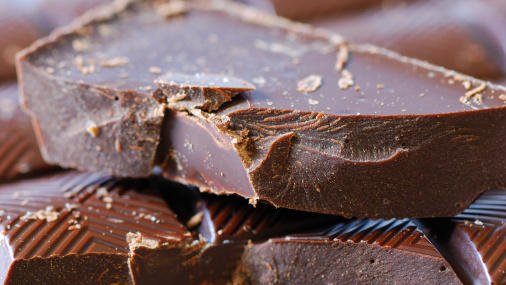
If you have a sweet tooth, take heart: Not all chocolate is off limits. Good quality dark chocolate (anything above 70% cacao) is actually very good for you. Like avocados, dark chocolate contains healthy monounsaturated fatty acids, which may help speed up metabolism. One study from the University of California, San Diego found that adults who ate chocolate more frequently had lower BMIs than those who didn't eat much chocolate.

Just watch your portions: To indulge while keeping calories in check, we recommend having a piece the size of a dental floss container.


image.jpeg

Cucumbers

Thanks to the flavonoid antioxidant quercetin (which reduces swelling) and a high water content of 96%, cucumbers can definitely help prevent bloating. This crunchy veggie is also extremely versatile: eat it in a chopped salad, sprinkle on top of yogurt, or munch on cucumber slices with homemade hummus.


image.jpeg

Ginger

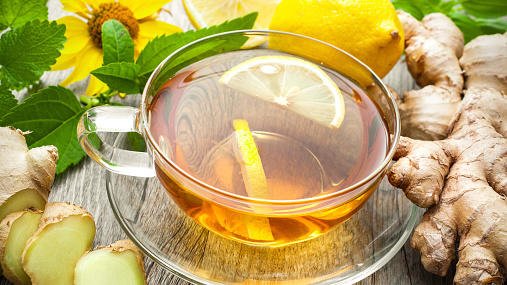
If you've ever sipped on a glass of ginger ale while sick, you know the drink can do wonders to calm an upset stomach. Turns out the root is also good for keeping your belly slim. Thanks to compounds that help move food through your GI tract, it has been used for centuries as a natural remedy to treat bloating. Ginger may also help with weight management: In a 2012 study from Columbia University, researchers found that participants who drank a hot ginger beverage felt fuller after meals.

An easy way to include it in your diet is to make a ginger tea with a half teaspoon of ground or freshly grated ginger and one cup of hot water.

tetiana-bykovets-422966-unsplash.jpg

Almonds

For a guilt- free snack, reach for a handful of almonds. As with dark chocolate and avocados, the nut contains monounsaturated fatty acids, which may help your body burn fat and fight hunger. One recent study in the International Journal of Obesity found that when people had a serving of almonds as part of a low-calorie diet, they lost more weight than those who ate a similar diet but had a carb-heavy snack instead of almonds.


thought-catalog-567764-unsplash.jpg

Avocado

Go ahead, put avocado on your toast, your belly will thank you! The super fruit (yes, it technically is a fruit) contains 2 grams of filling fiber and 4 grams of heart-healthy monounsaturated fat, which can help keep the pounds off. In one recent study, researchers found that people who regularly ate avocados had smaller waistlines than those who didn't.

And in addition to keeping your stomach slim, avocados may benefit the gut, too. Healthy fats like avocados are vital to gut health, as they coat the stomach and allow for ease of digestion. They also help the body increase its absorption of other nutrients and antioxidants.


image.jpeg

Papaya

There are lots of reasons to love this brightly colored tropical fruit, which is a rich source of vitamins A, C, E, and folate. Papayas also contain an enzyme called papain, which helps your GI system break down difficult-to-digest foods, in turn preventing inflammation and belly bloat.

In addition to eating papaya whole and fresh, it's wonderful in a smoothie, in salads, or thrown on the grill with a drop of olive oil.


These 10 foods will help keep your waistline slim by reducing bloat, boosting metabolism, and giving your body important nutrients that encourage weight loss. In addition to drinking enough water and avoiding notorious belly-busters (think alcohol, soda and sugar), you should be bikini ready!